Rebranding a Purpose-Led Recruiter
Client
IvyRock Partners
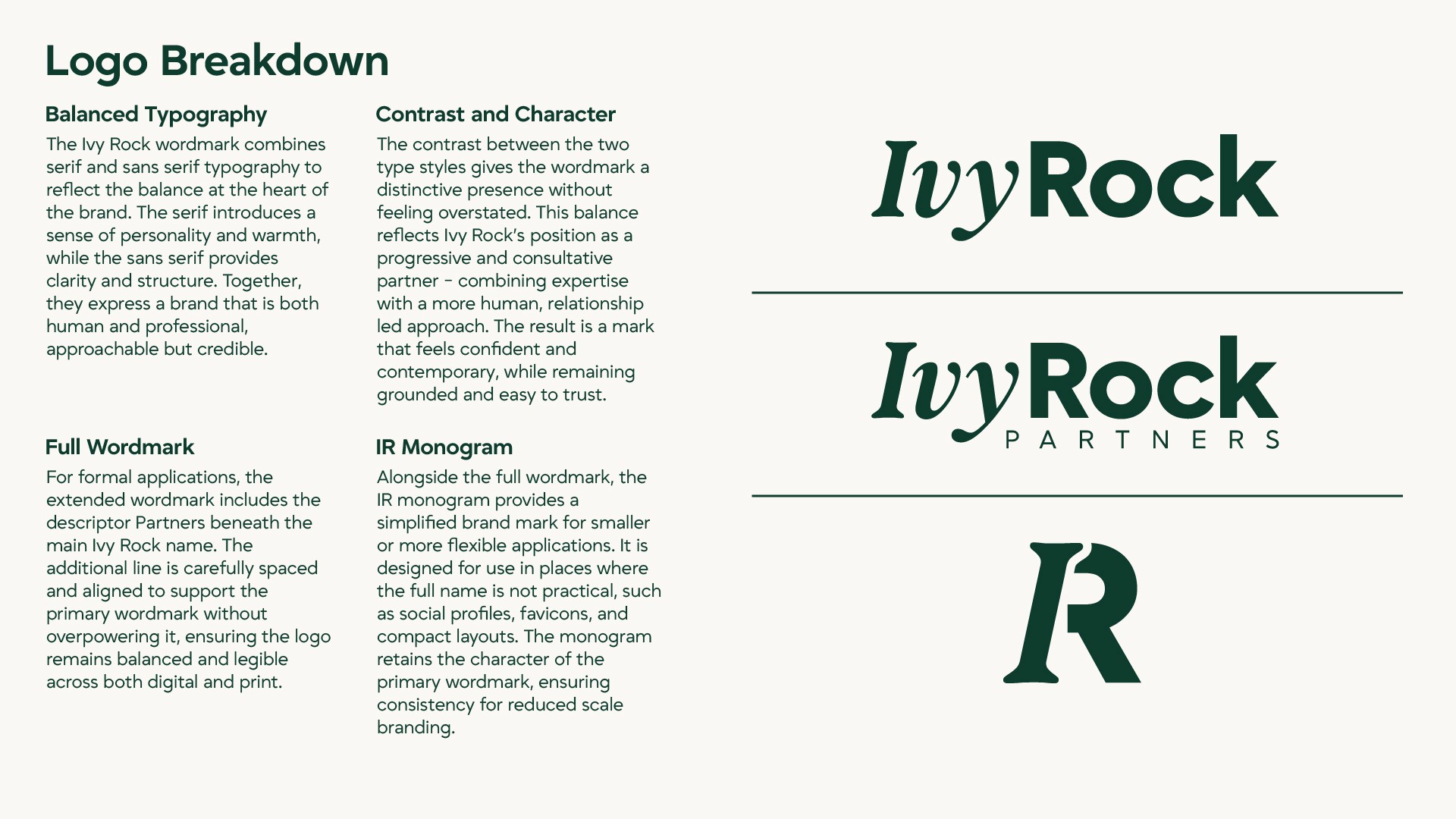
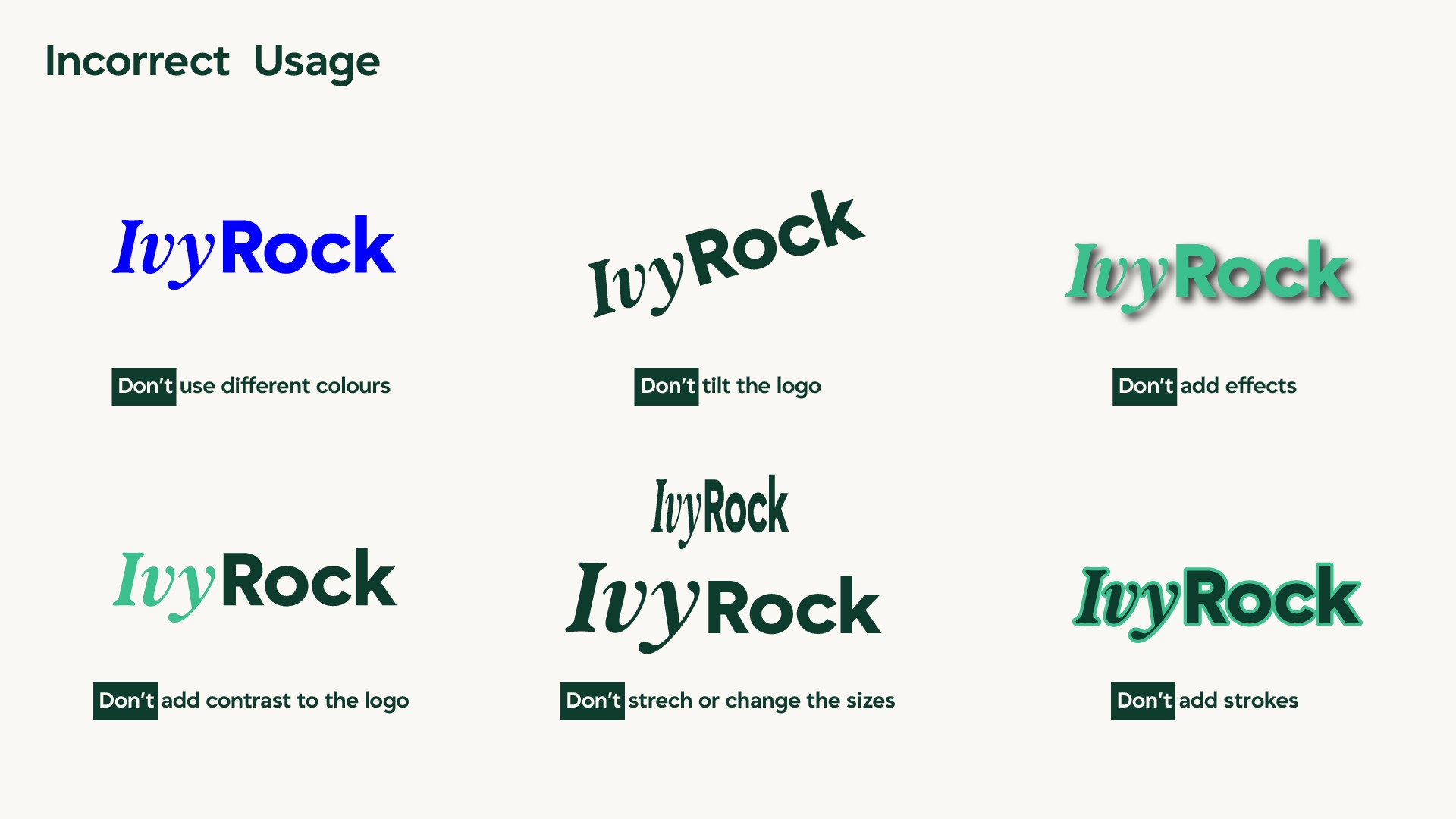
Ivy Rock is a recruitment firm specialising in the public and not-for-profit sector. This rebrand focused on aligning the external identity with what the business already was internally: progressive, consultative, human, and expertise-led. The challenge was to move away from the transactional language and generic visual codes common in recruitment, and build a clearer, warmer, and more distinctive brand across both identity and website. The result is a rebrand that communicates trust and professionalism without losing personality, combining a refined visual system with a more thoughtful digital experience.
Scope of Work
Defining the Shift.
The starting point was understanding the gap between perception and presentation. Strategy work with Ivy Rock’s team, clients, candidates, and the wider market showed that the business was already seen as human, consultative, and purpose-driven, but this was not being expressed clearly or consistently through the brand. The rebrand became an opportunity to make that existing identity visible rather than invent something artificial.


Moving Away from Recruitment Clichés.
A key challenge was distinguishing Ivy Rock from a sector dominated by safe corporate palettes, generic sans serif identities, stock imagery, and sales-led messaging. The direction intentionally moved away from those conventions, positioning Ivy Rock as the human alternative to transactional recruitment and focusing on long-term relationships over volume or short-term placements.
Repositioning the Brand.
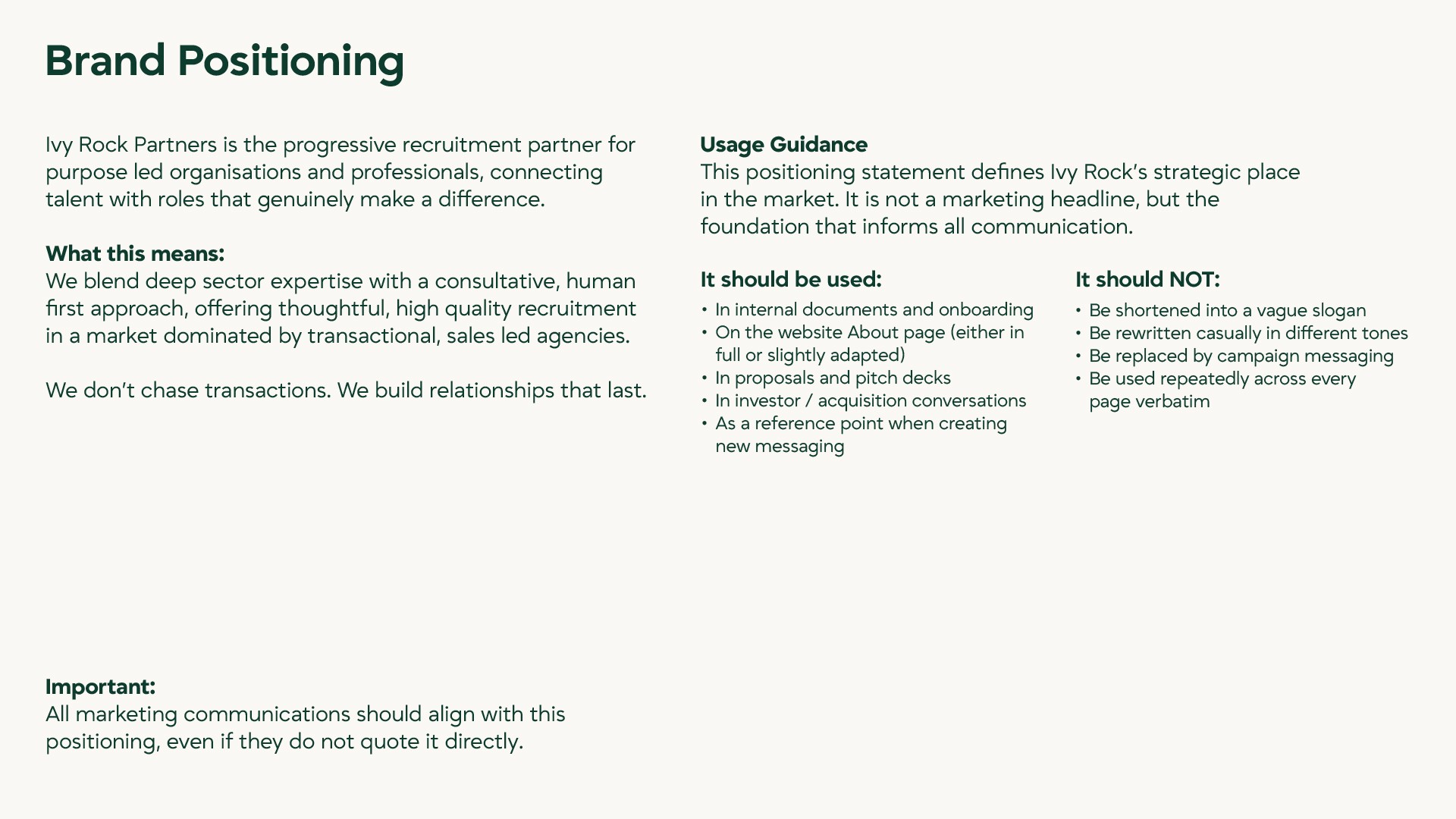
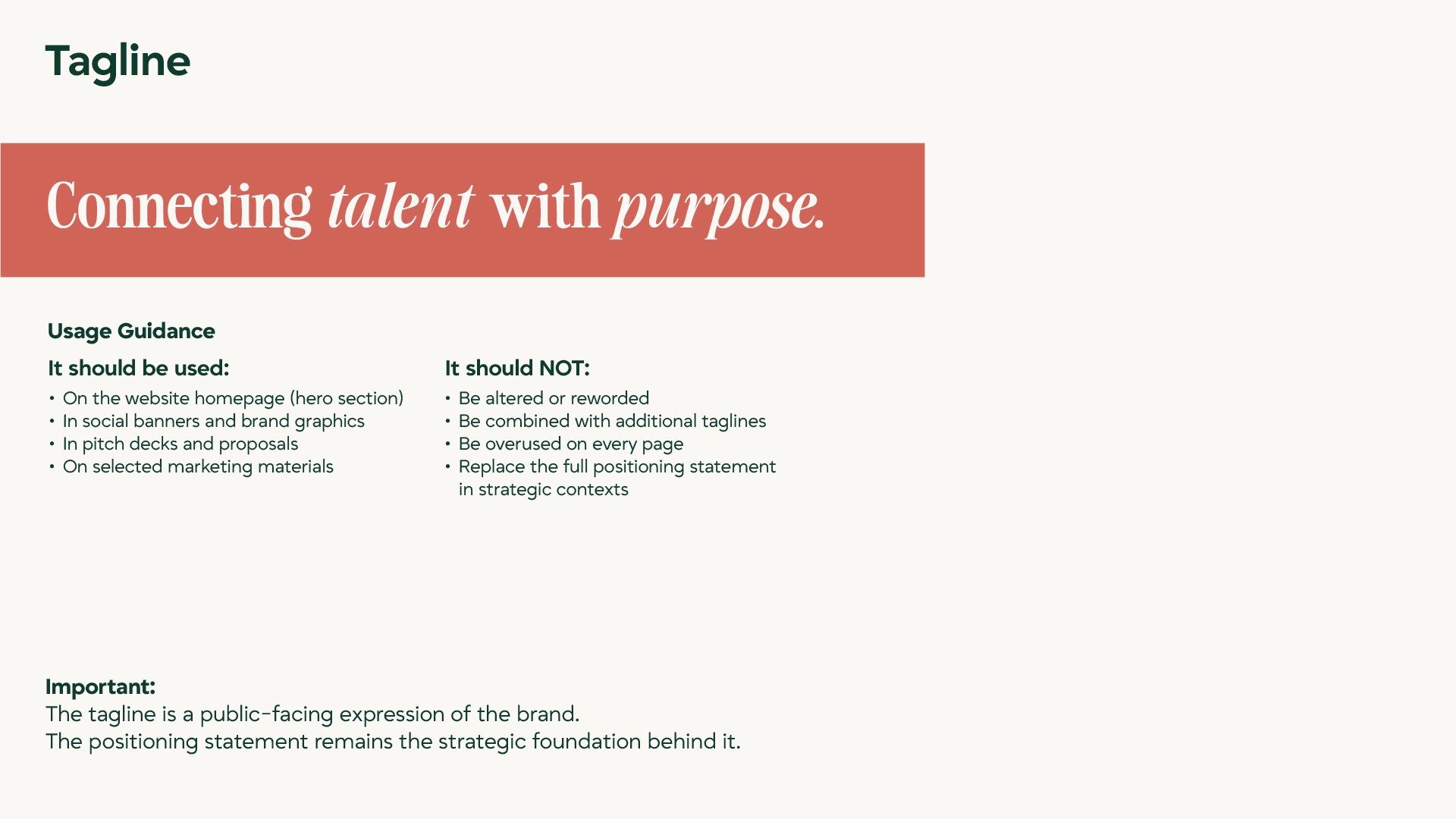
The strategic position of the brand was built around purpose-led expertise, consultative quality, human partnerships, and a quietly ambitious culture. Rather than sounding like a high-volume agency, the messaging was shaped to feel thoughtful, clear, and credible, showing Ivy Rock as a progressive recruitment partner for organisations and professionals who want work that makes a difference.
Building the Verbal Identity.
Tone of voice played a central role in the rebrand. The writing needed to feel human and warm, straightforward, expert but down to earth, and consultative rather than salesy. That meant using plain English, avoiding jargon and exaggerated claims, and keeping communication calm, concise, and useful. This helped create a brand voice that feels professional and trustworthy without becoming cold or overly corporate.
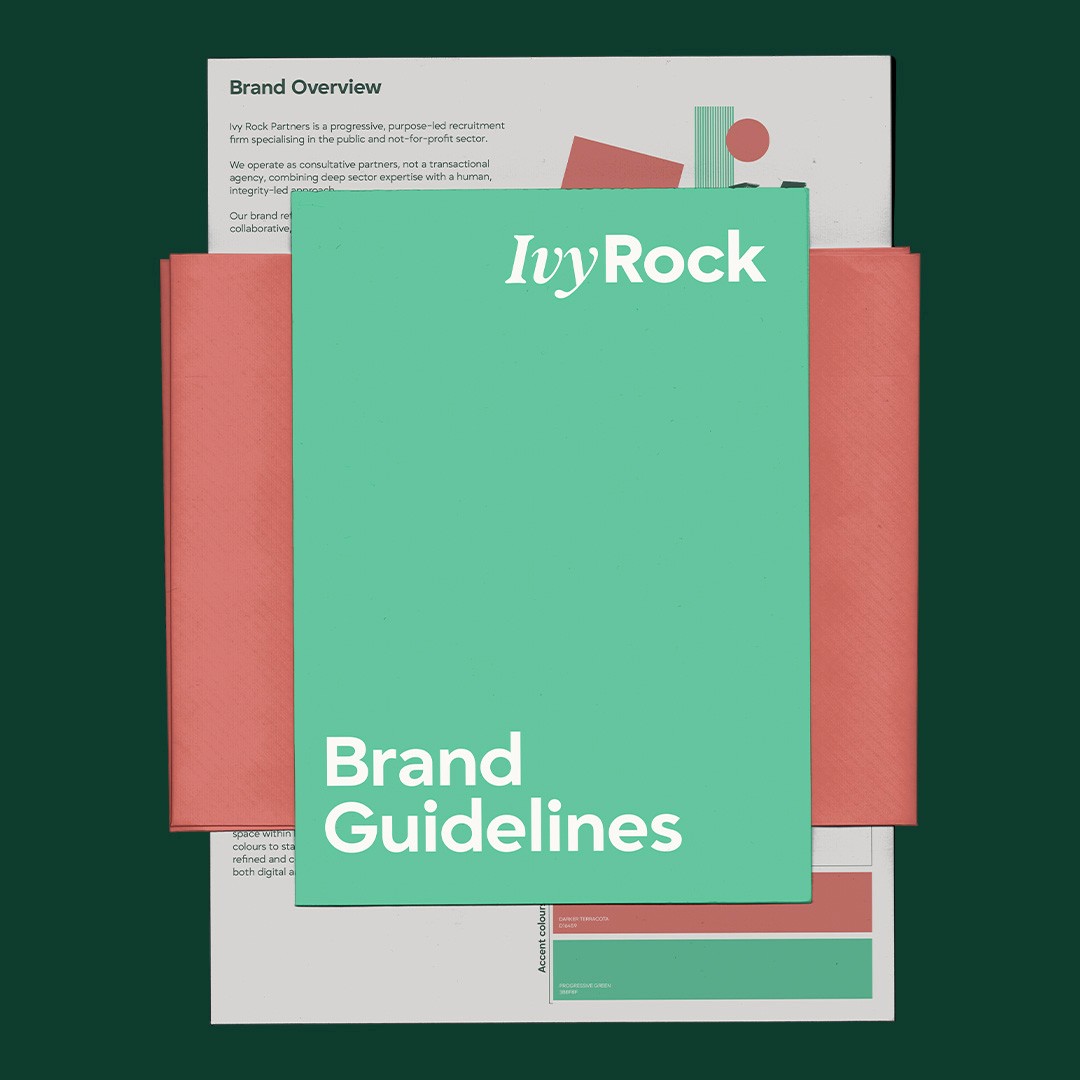
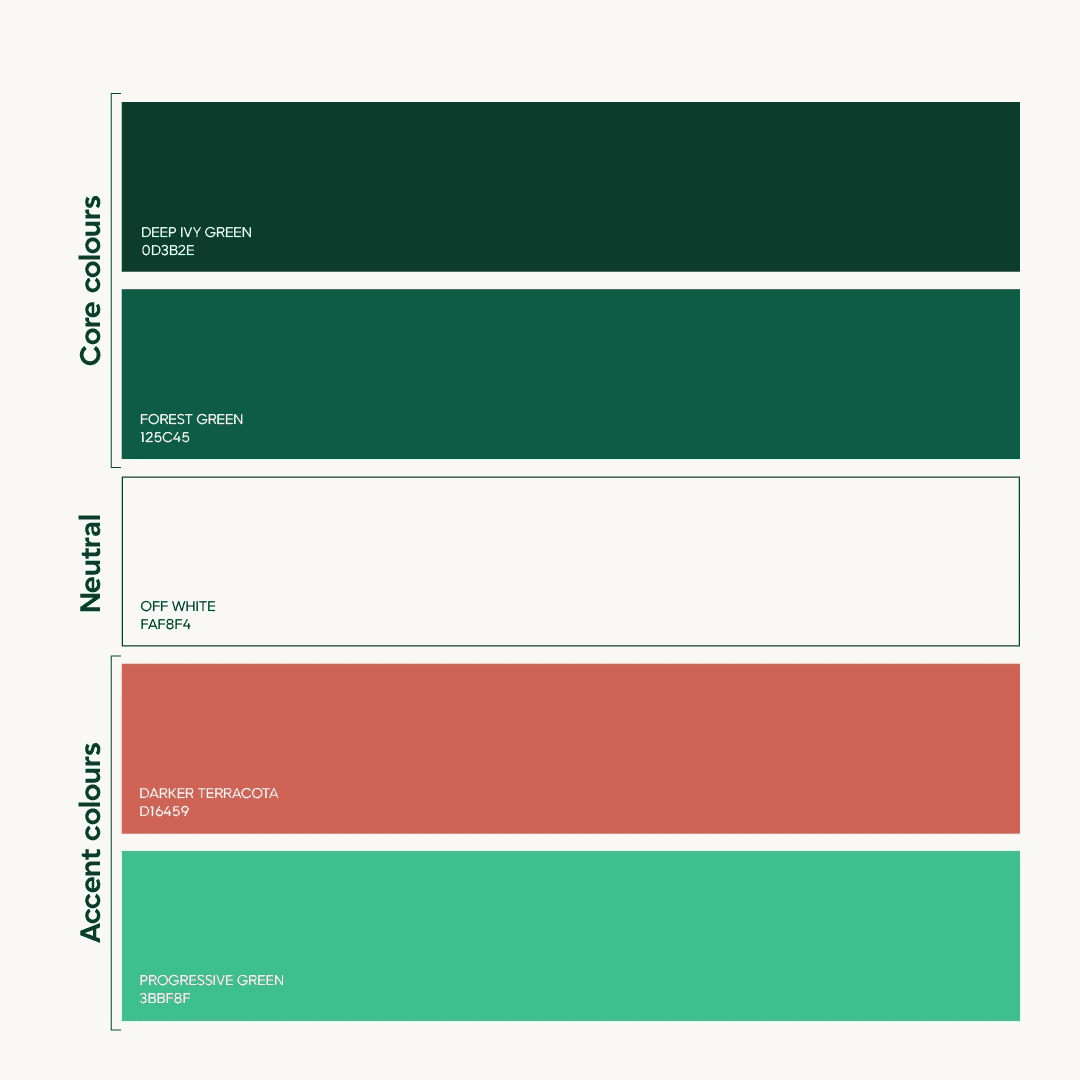
A More Distinctive Visual System.
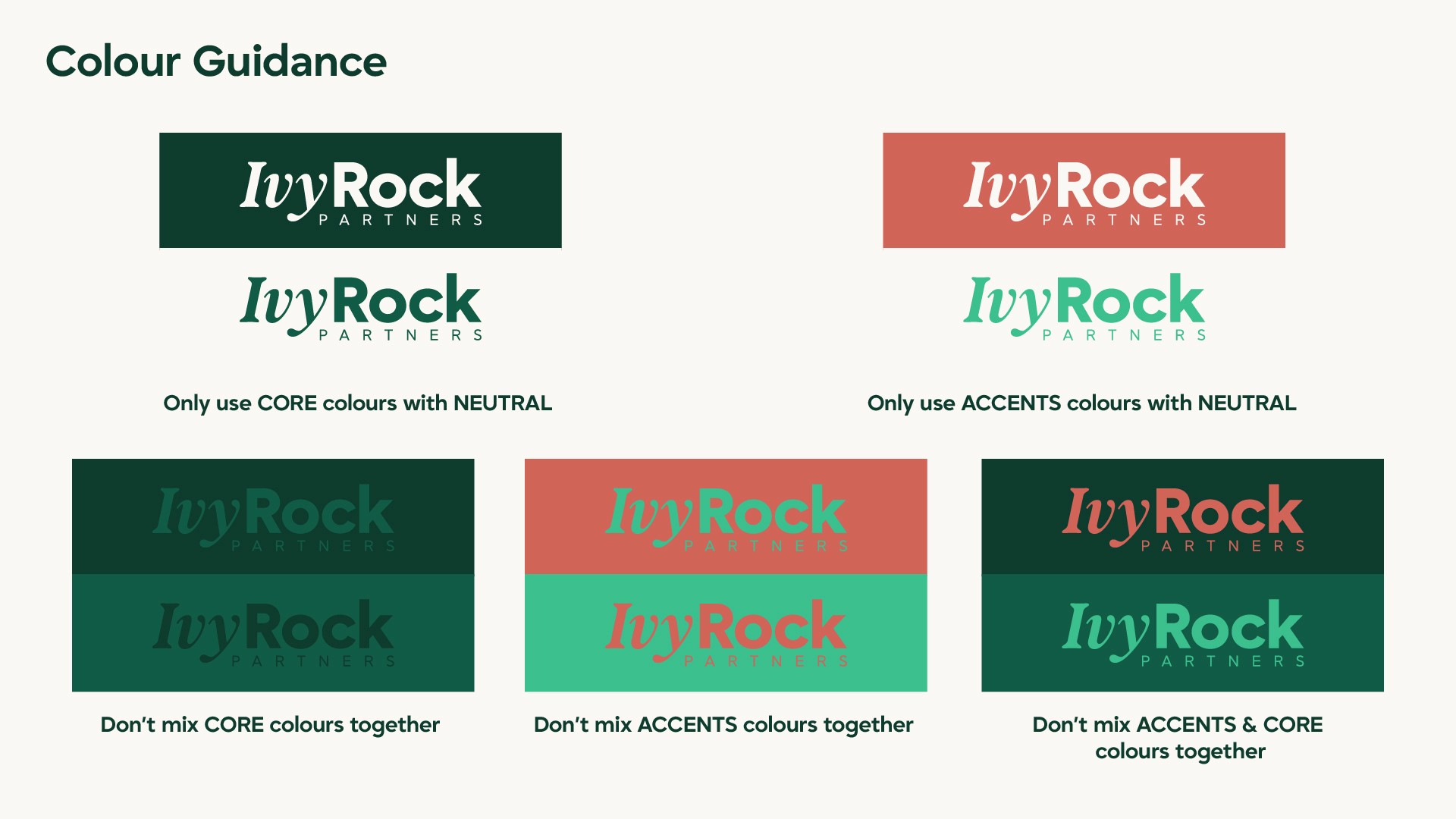
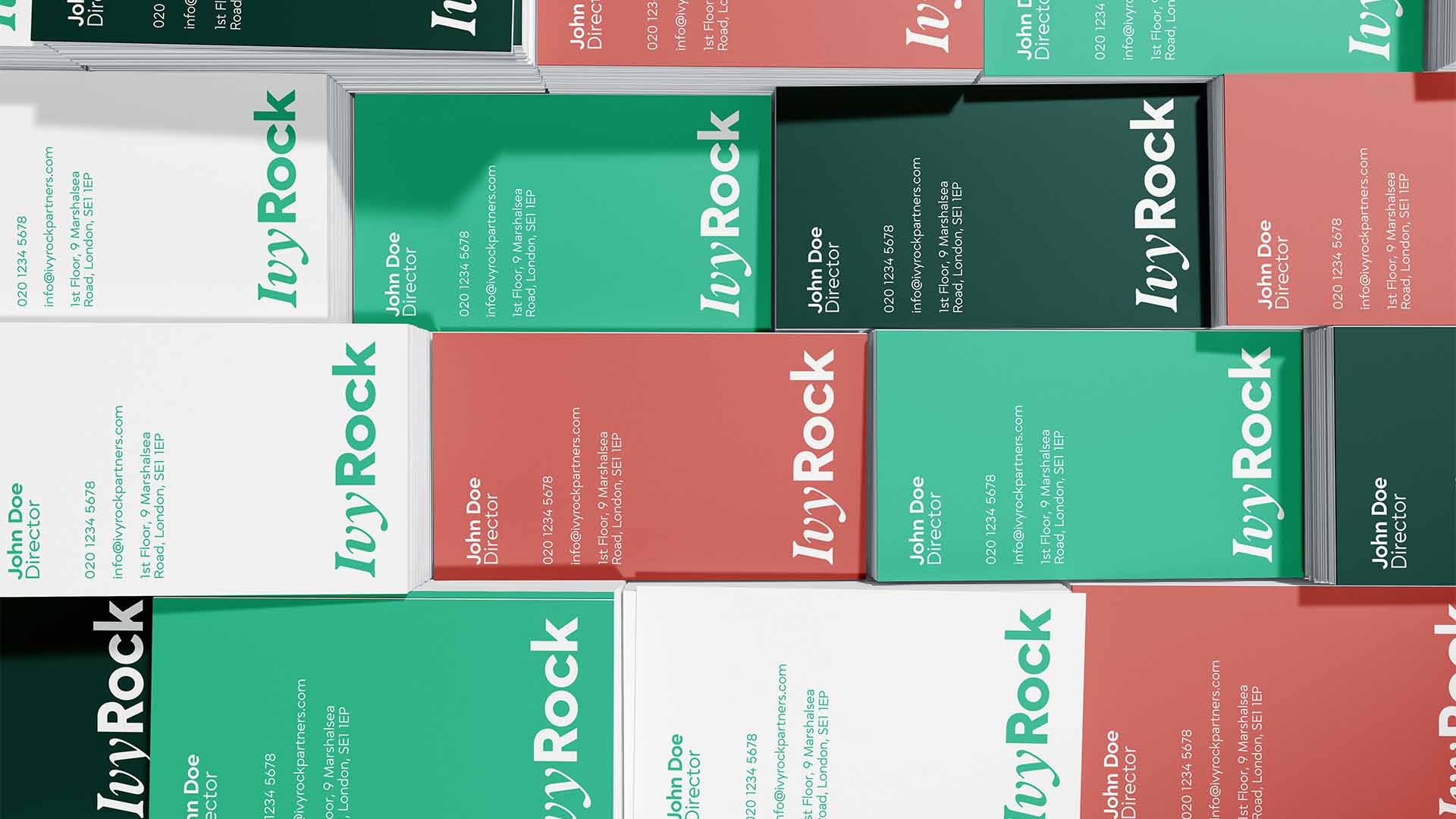
Visually, the brand was designed to balance purpose and professionalism with warmth and progressiveness. The strategy recommended deeper, grounded tones to signal trust and stability, paired with fresher accents to break away from standard sector palettes and introduce more energy and personality. In the final guidelines, this became a system built around deep greens, terracotta, progressive green, and off-white, used with restraint to support a more quietly confident look and feel.
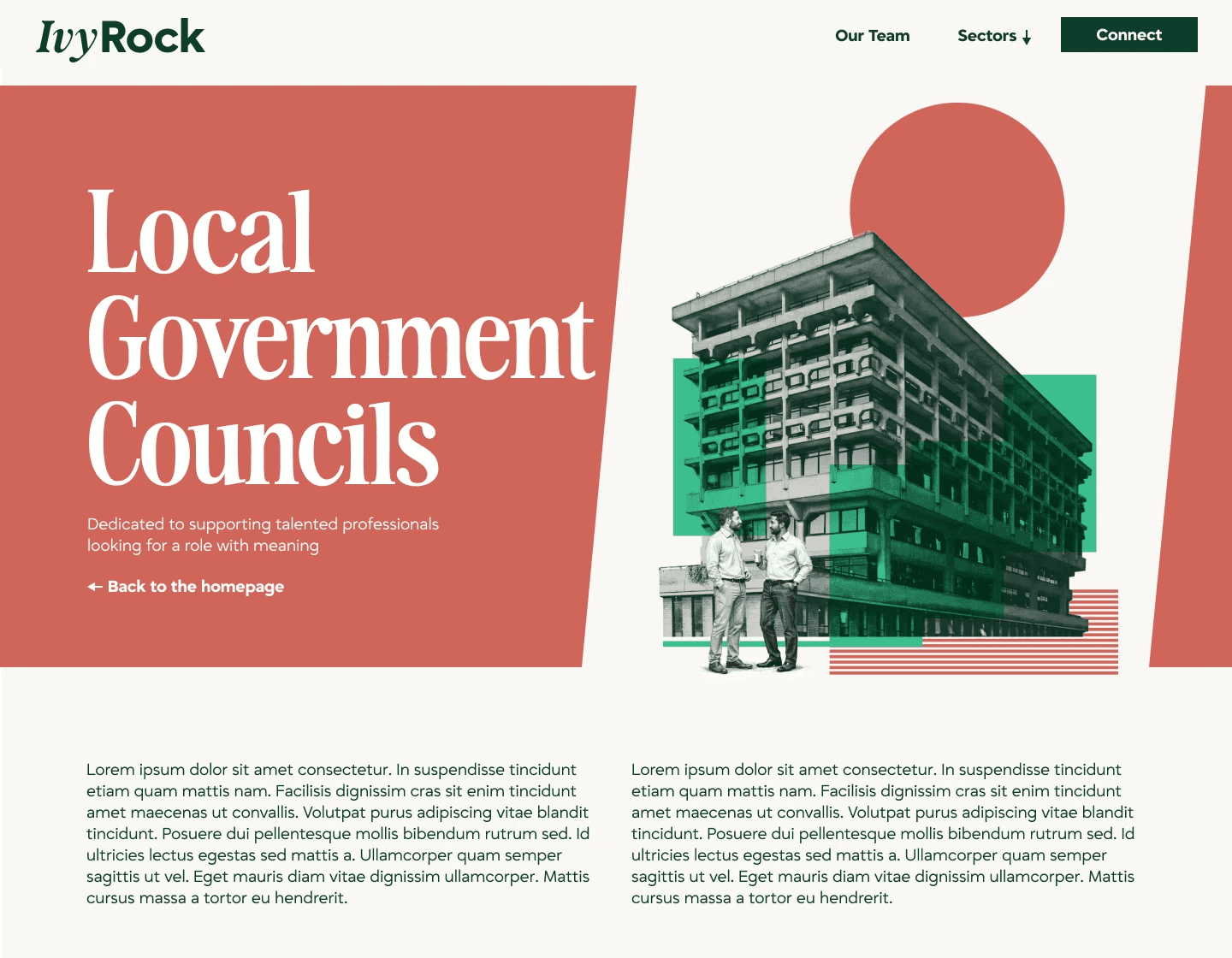
Balancing Warmth and Clarity.
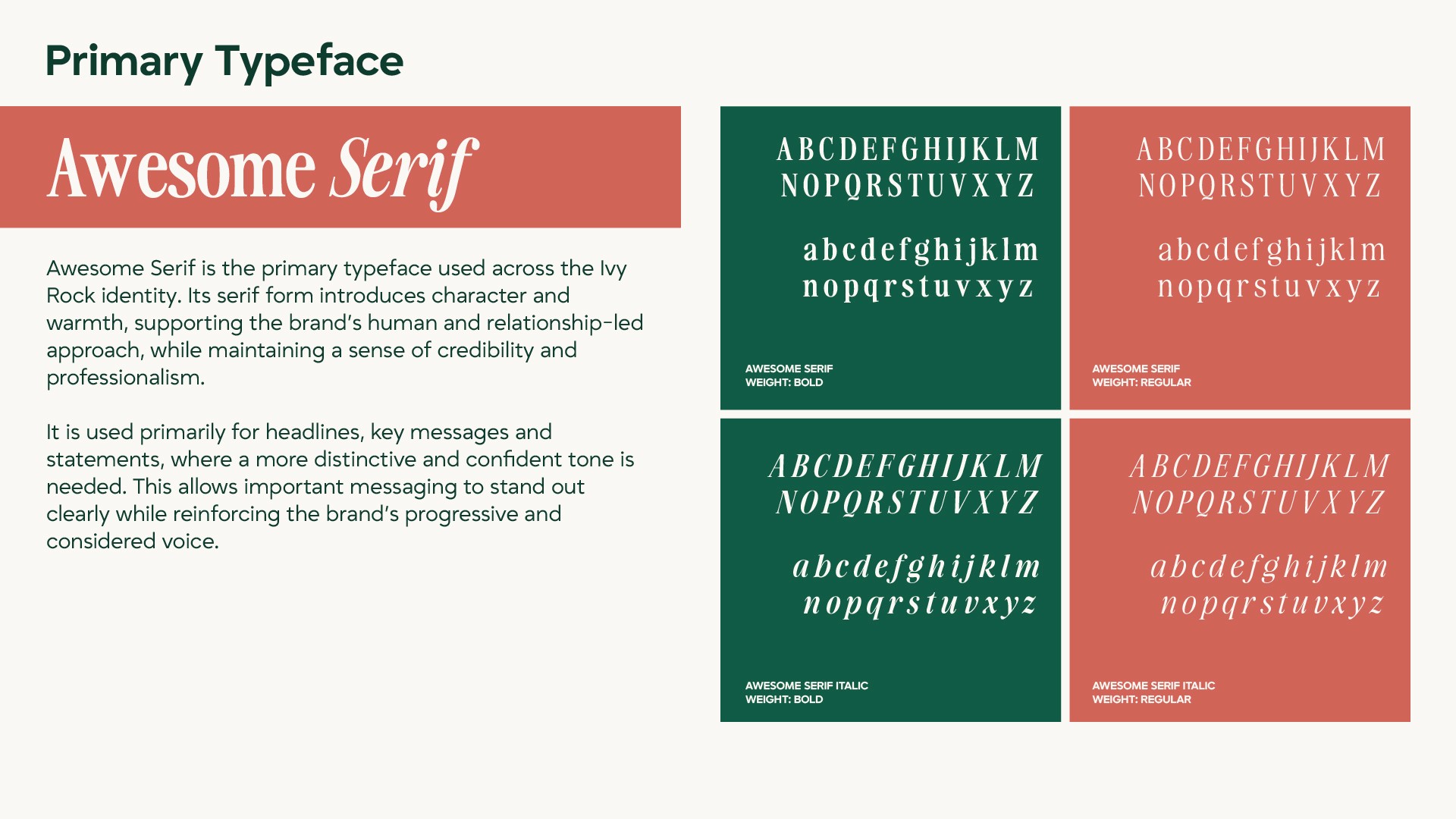
Typography became one of the key ways to express the repositioning. The strategy called for a serif and modern sans pairing to reflect expertise without stiffness, using the serif for authority and personality while the sans serif handled body copy and interface clarity. In the final identity, this balance was formalised through a serif-led headline system and a modern sans serif for longer-form communication, creating a brand that feels both credible and approachable.
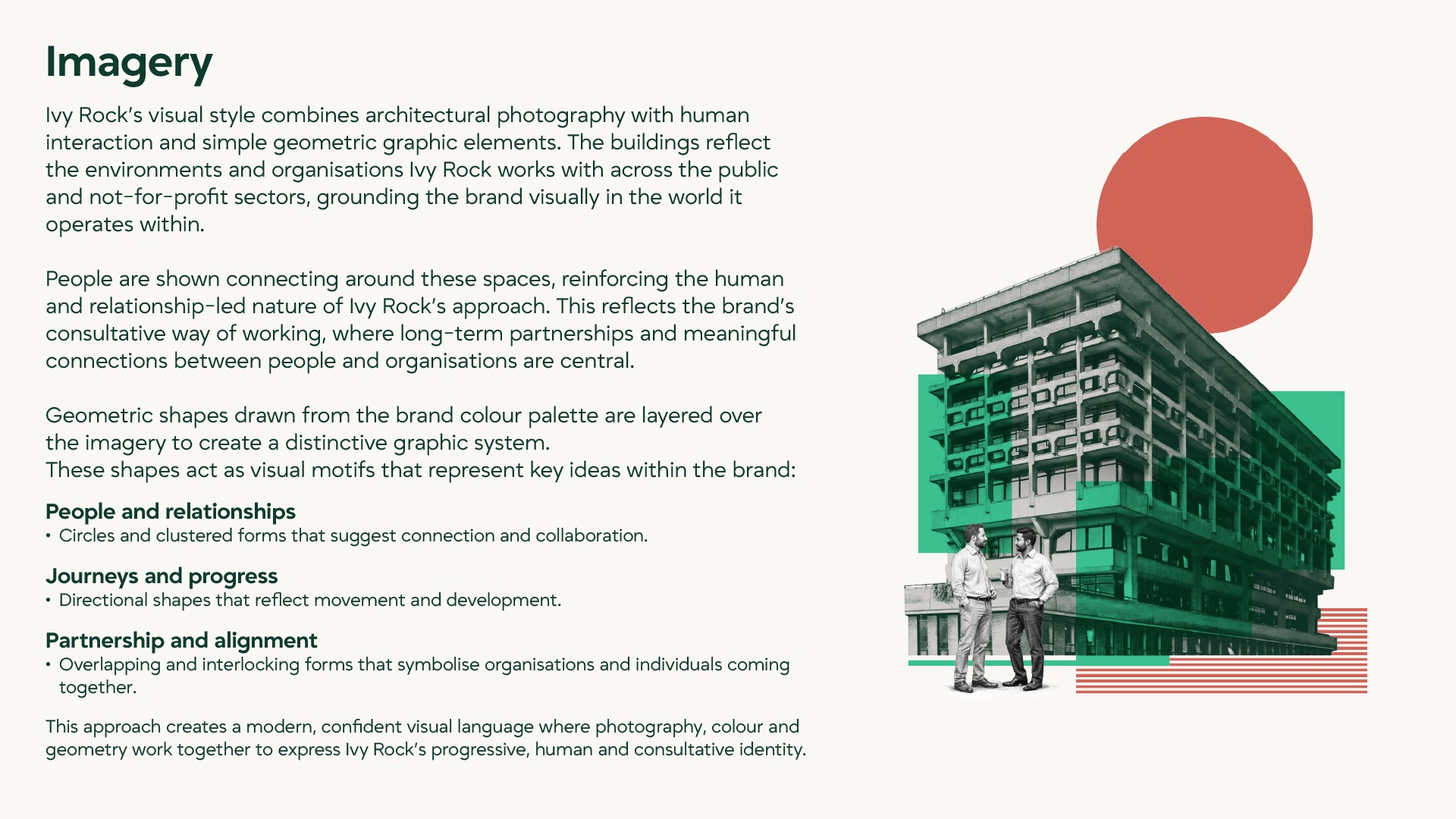
Designing Beyond Team Photography.
Another important consideration was future-proofing the brand. The strategy specifically advised against relying heavily on team photos, instead recommending a more sector-focused visual world built around architecture, authentic human interaction, and imagery that reflects the environments Ivy Rock works in. This led to a system that feels more timeless and flexible, grounding the brand in the public and not-for-profit world rather than in a small set of internal portraits.
Graphic Motifs and Meaning.
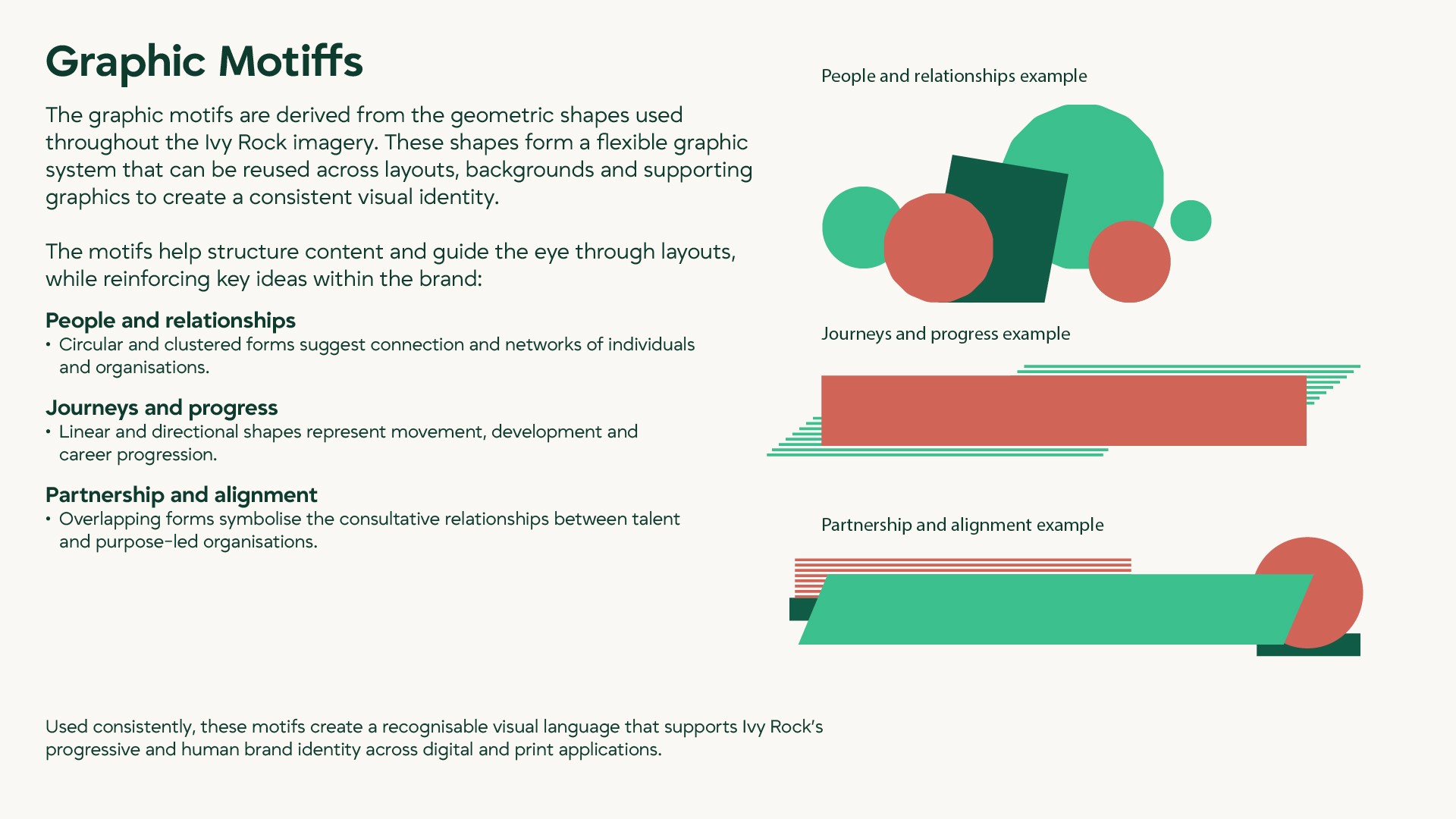
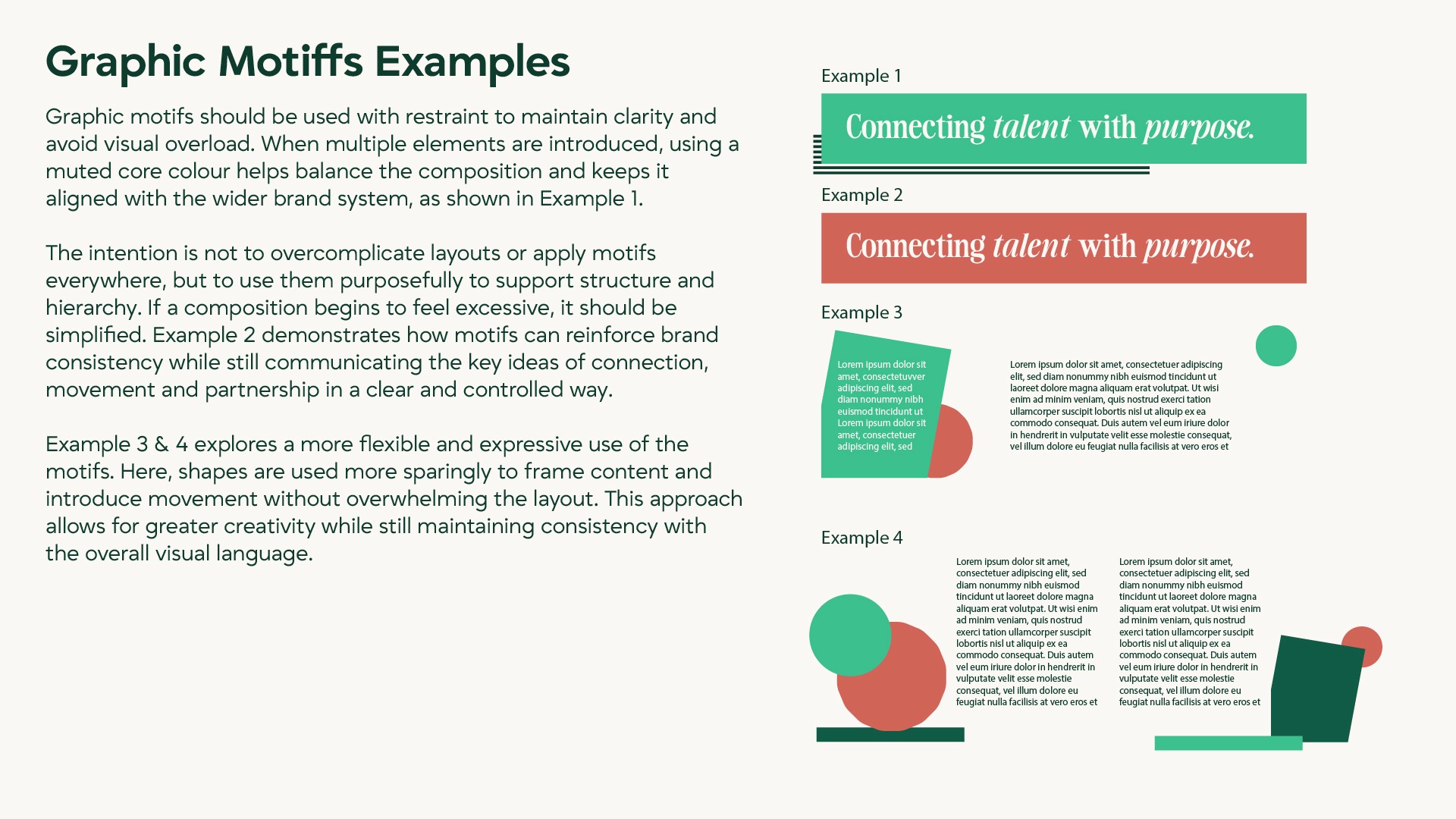
The visual language was extended through a set of simple geometric motifs representing people and relationships, journeys and progress, and partnership and alignment. These shapes created a flexible system that could support decks, web sections, social assets, and supporting materials without overwhelming the layouts. In the final guidelines, these motifs were developed further into a recognisable brand language that adds structure, movement, and consistency across applications.
Translating Strategy into Digital.
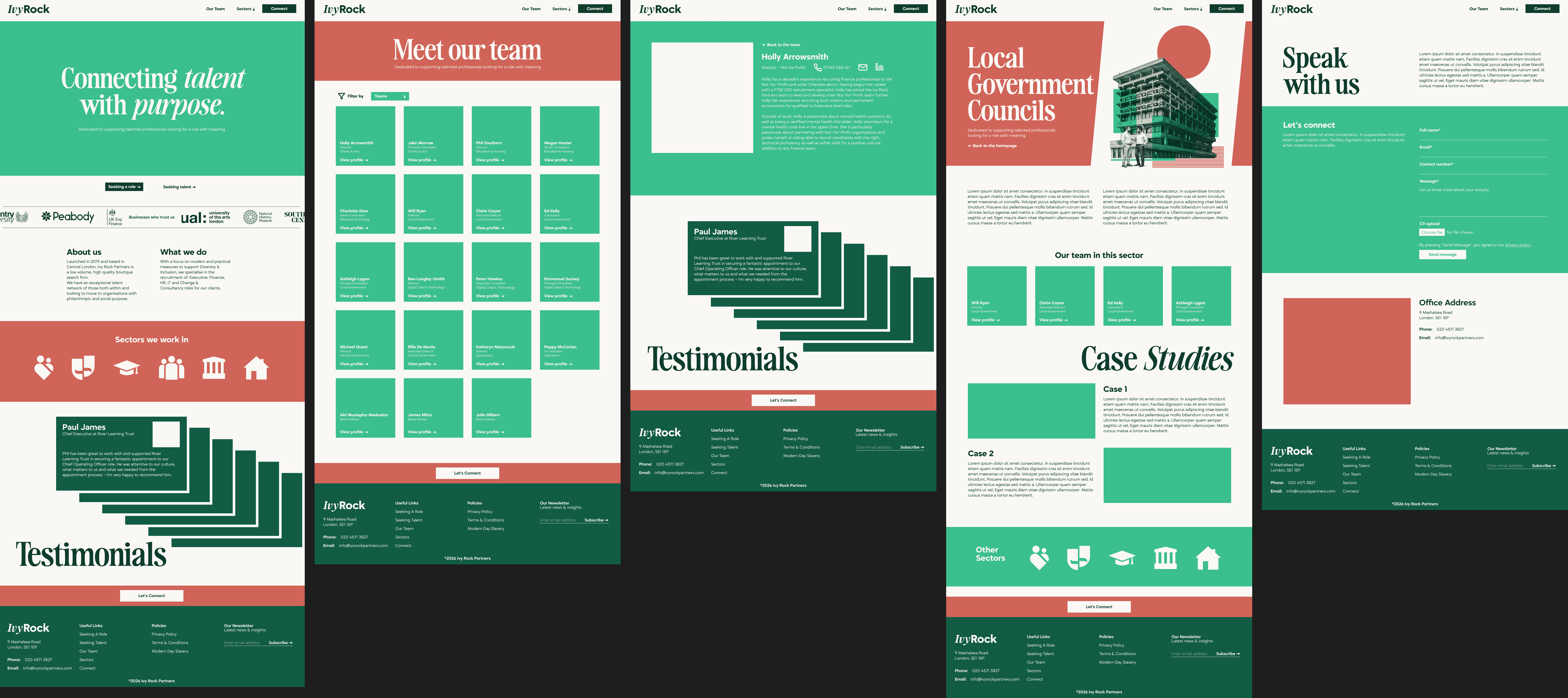
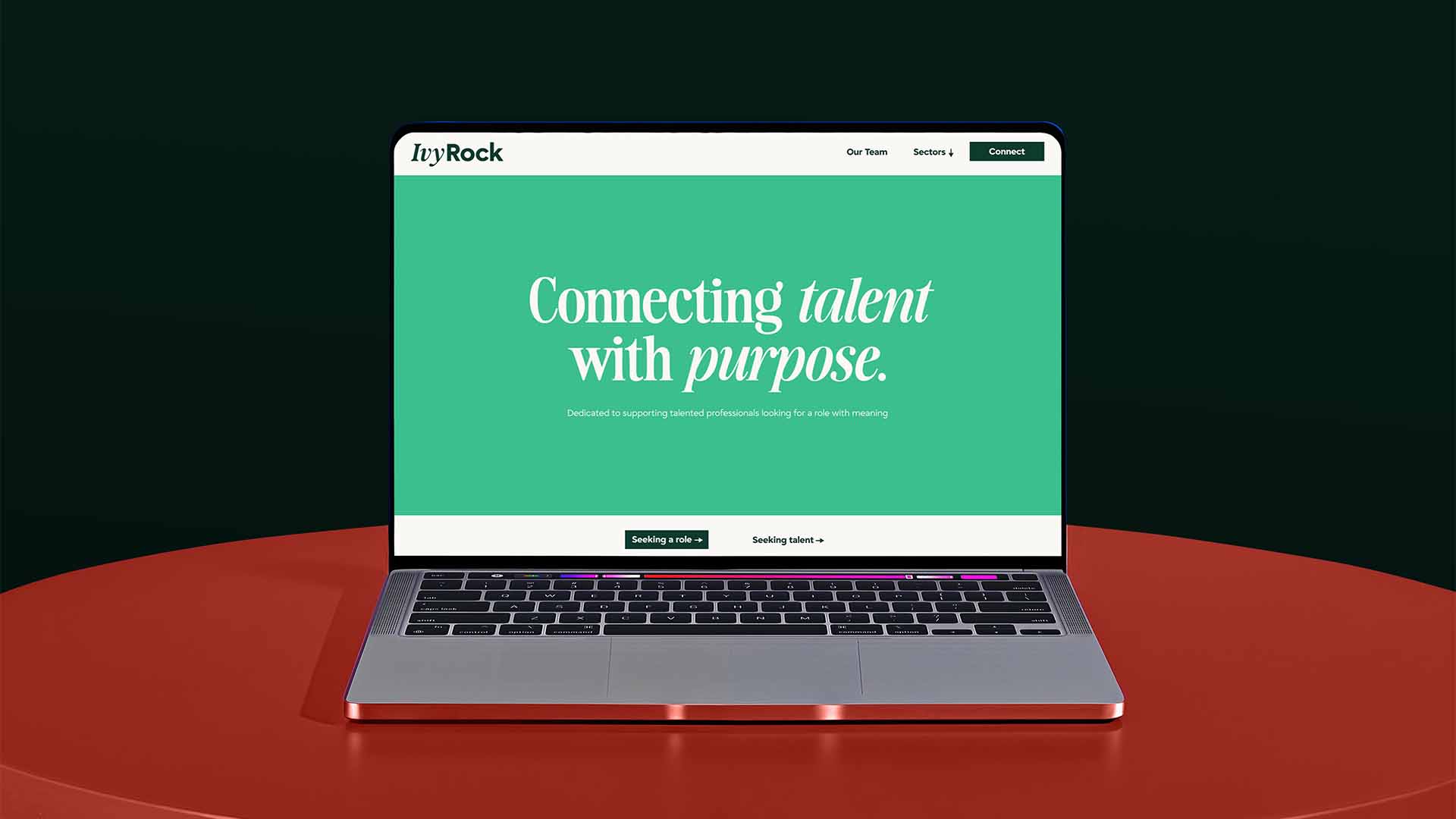
The website design carried the same principles into a digital space. The strategy called for strong hero areas, concise headlines, short explanation lines, simple navigation, and layouts that felt balanced rather than rigid. This translated into a calmer, clearer web experience that supports Ivy Rock’s positioning through structure, readability, and restrained use of visual elements, rather than noise or heavy sales messaging.
A Rebrand Built on Alignment.
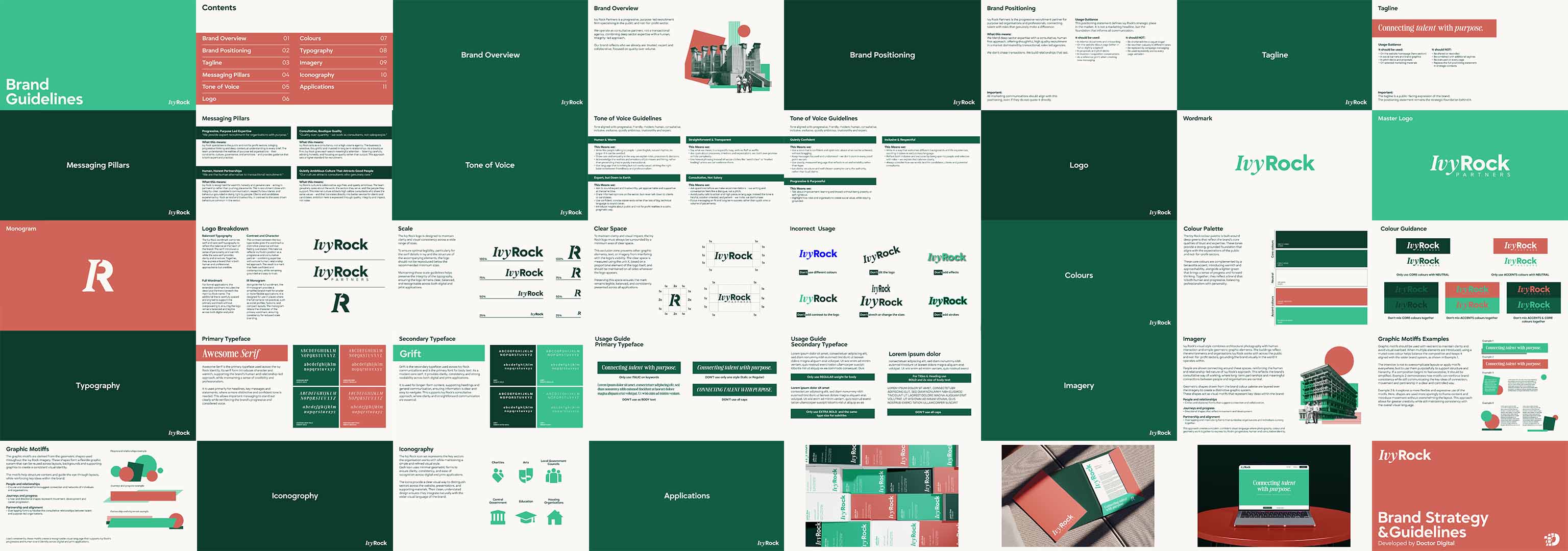
What makes the project strong is that the final identity feels directly rooted in the initial research. The strategy framework defined the positioning, tone, visual principles, and behaviours the brand needed to express, while the guidelines translated that into a complete and consistent system across logo, colour, typography, imagery, iconography, and application. The result is a rebrand that feels more distinctive, coherent, and representative of the business itself.